Festac Square is an ABDXTROUS activation at AFRO+ FEST 2026 — five stops on the lot where culture is something you walk: enter, get seen, arrive, trade, gather.
The charge draws from FESTAC ’77 in Lagos. The Square is what you do here. History is ready when you want the deeper cut.
Five verbs. Five stops. Festac Square is where you make, move, record, trade, and gather — live at AFRO+ FEST. The history is here when you want it; the lot is what you walk first.
Our load-in mock — Northwest Stadium lot. Walk in at the FESTAC SQUARE LAGOS danfo, cross left to right, trade at the market tent. ABDX wayfinding; not Afro+’s official festival map.
FESTAC opened as ceremony before it opened as program — contingents lined up at National Stadium, then the city fed the month. The National Theatre went up in Iganmu so Lagos could hold what was coming. You crossed a threshold first; the art followed.
On the Square FESTAC SQUARE LAGOS danfo — cross in, then the lot starts left to right.
02
Photo Station
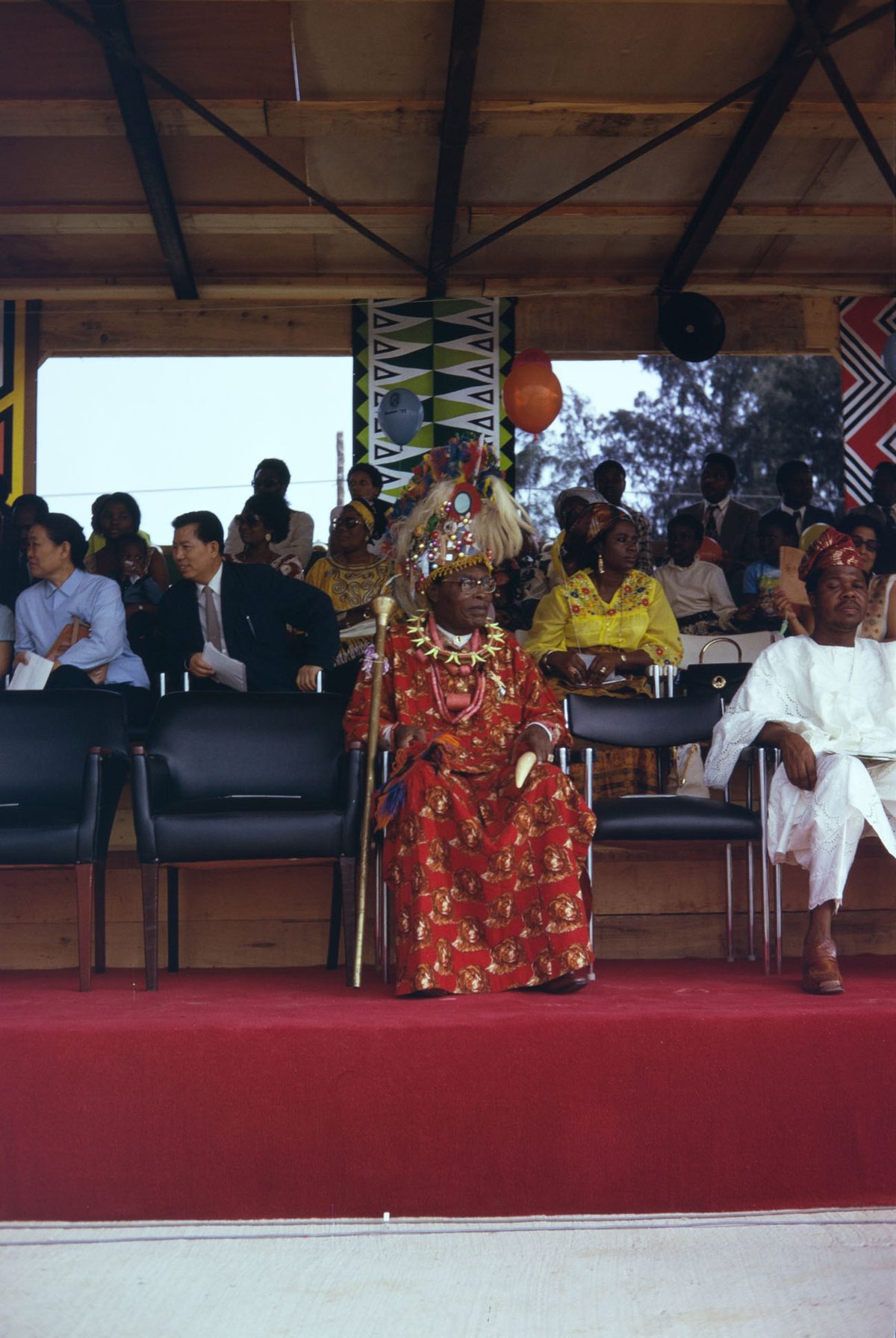
FESTAC was built to be witnessed. Marilyn Nance shot roughly 1,500 frames of the U.S. contingent alone. State radio and TV pushed National Theatre performances outward; the Durbar was staged for broadcast. If it happened in ’77, someone was trying to hold it.
On the Square Step into the frame. Get seen. Leave a record that you were here.
03
Show Body
American Muscle
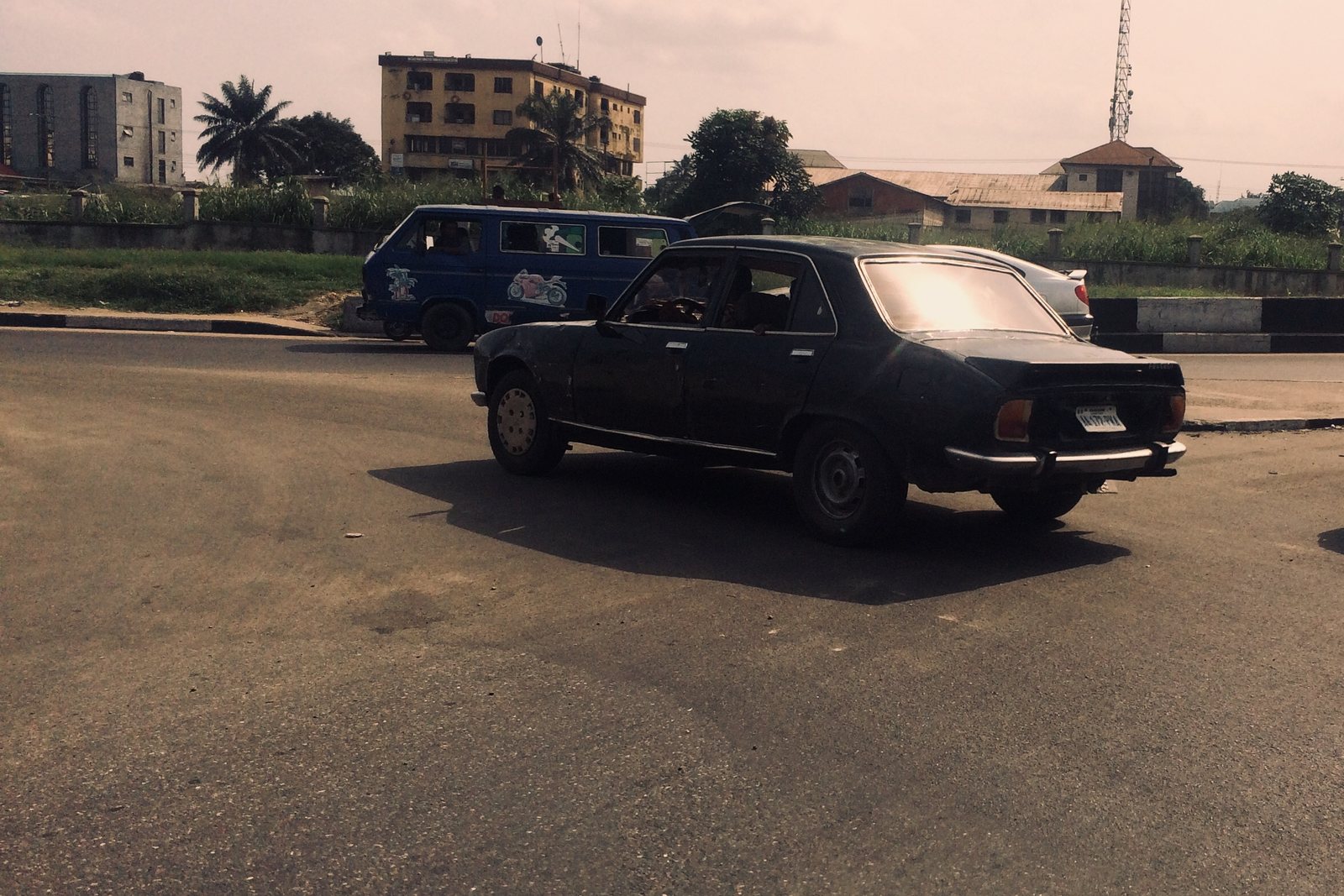
Show body: present yourself. In the oil-boom years around FESTAC ’77, Lagos streets turned chrome into status — Peugeot 504s, VW “Ijapa,” arrival you could hear before you saw it. Same decade the U.S. zone sent Black American artists into that city. The car wasn’t just transport; it was the flex that said you had entered the room.
On this lot the lane is classics — lines, presence, machines held as art. Muscle is the body of the statement, not only what’s under the hood.
On the Square Walk the line. Diaspora force meets Naija flex — ’77 energy, live.
04
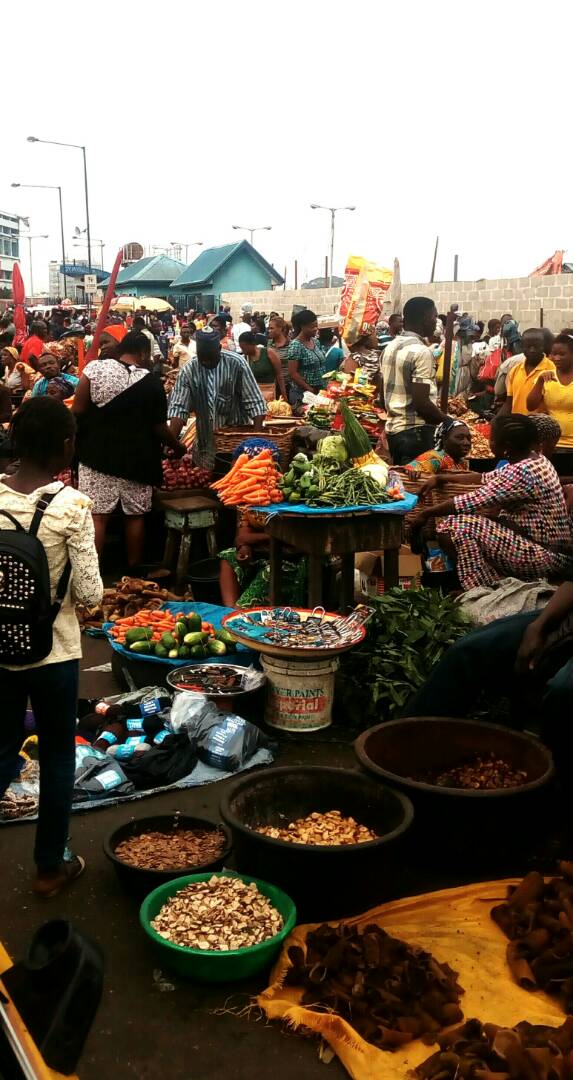
Festac Market
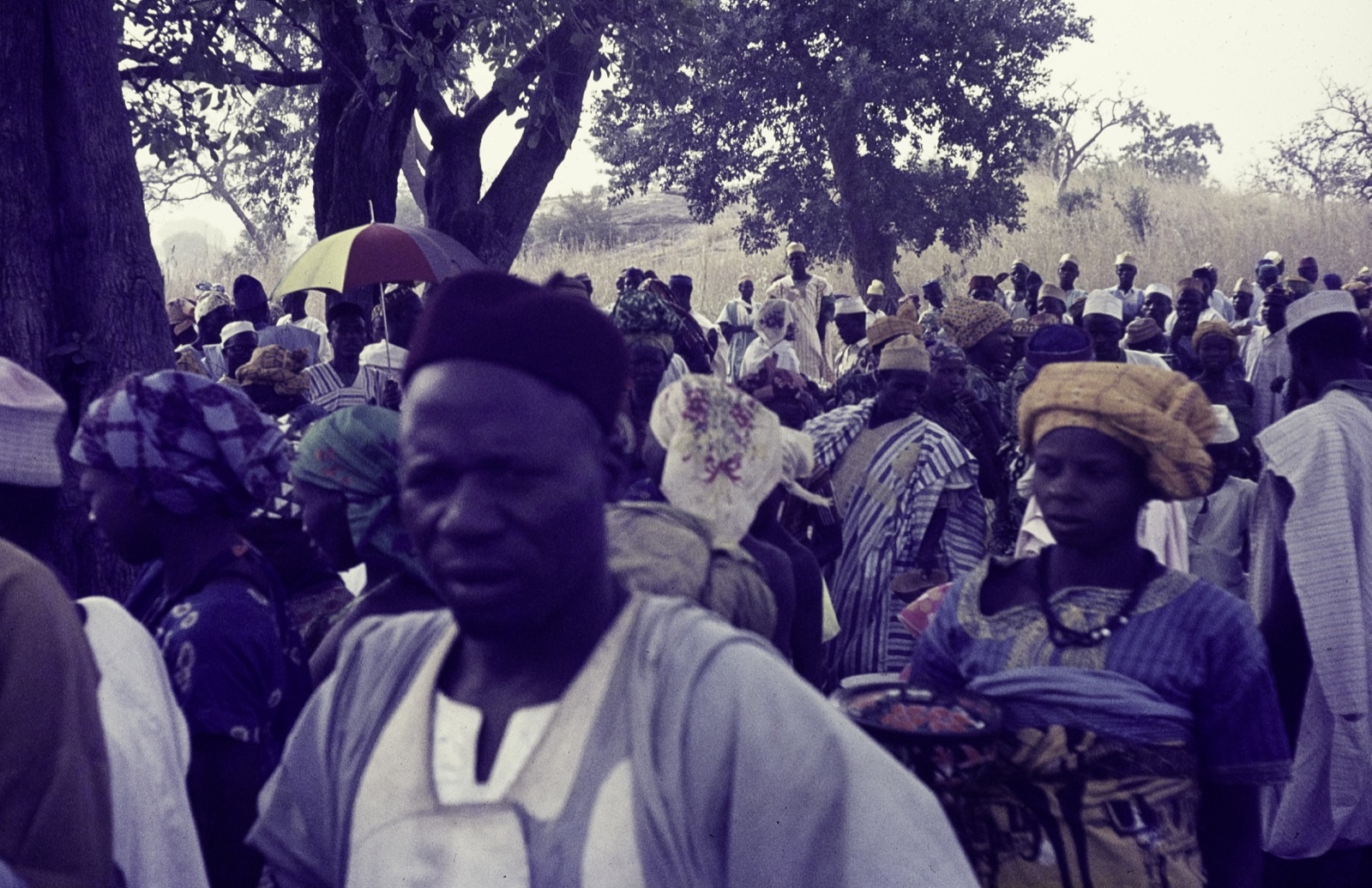
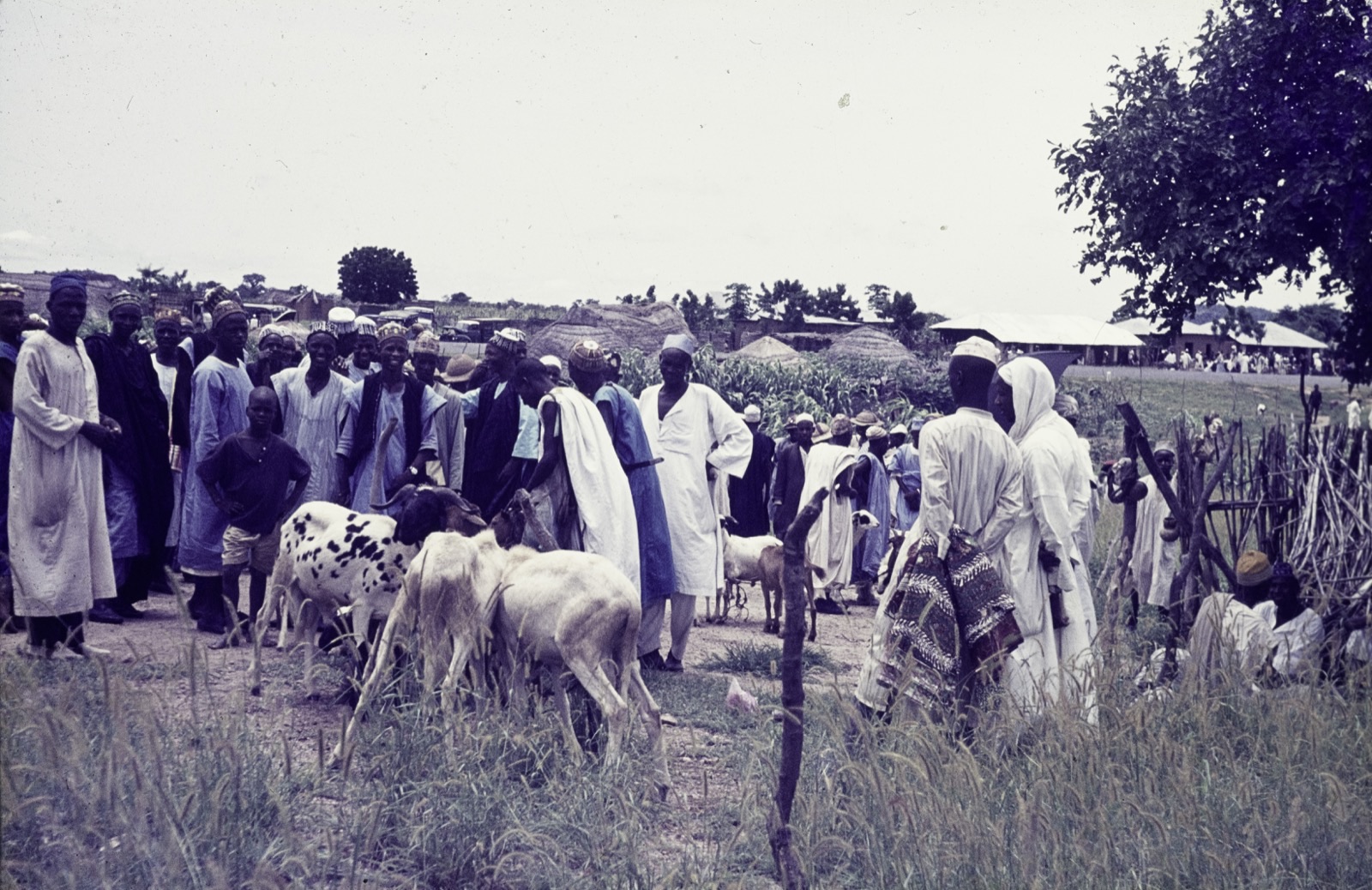
At Tafawa Balewa Square, each country got a booth — cloth, instruments, books, objects. Exhibition halls showed sculpture and craft. Trade was part of the festival grammar, not the gift shop afterthought. Objects left with people. That was culture too.
On the Square Walk the market. ABDXTROUS merch is that booth, live — something you wear or carry home so the Square doesn’t stay only on your camera roll.
05
TON
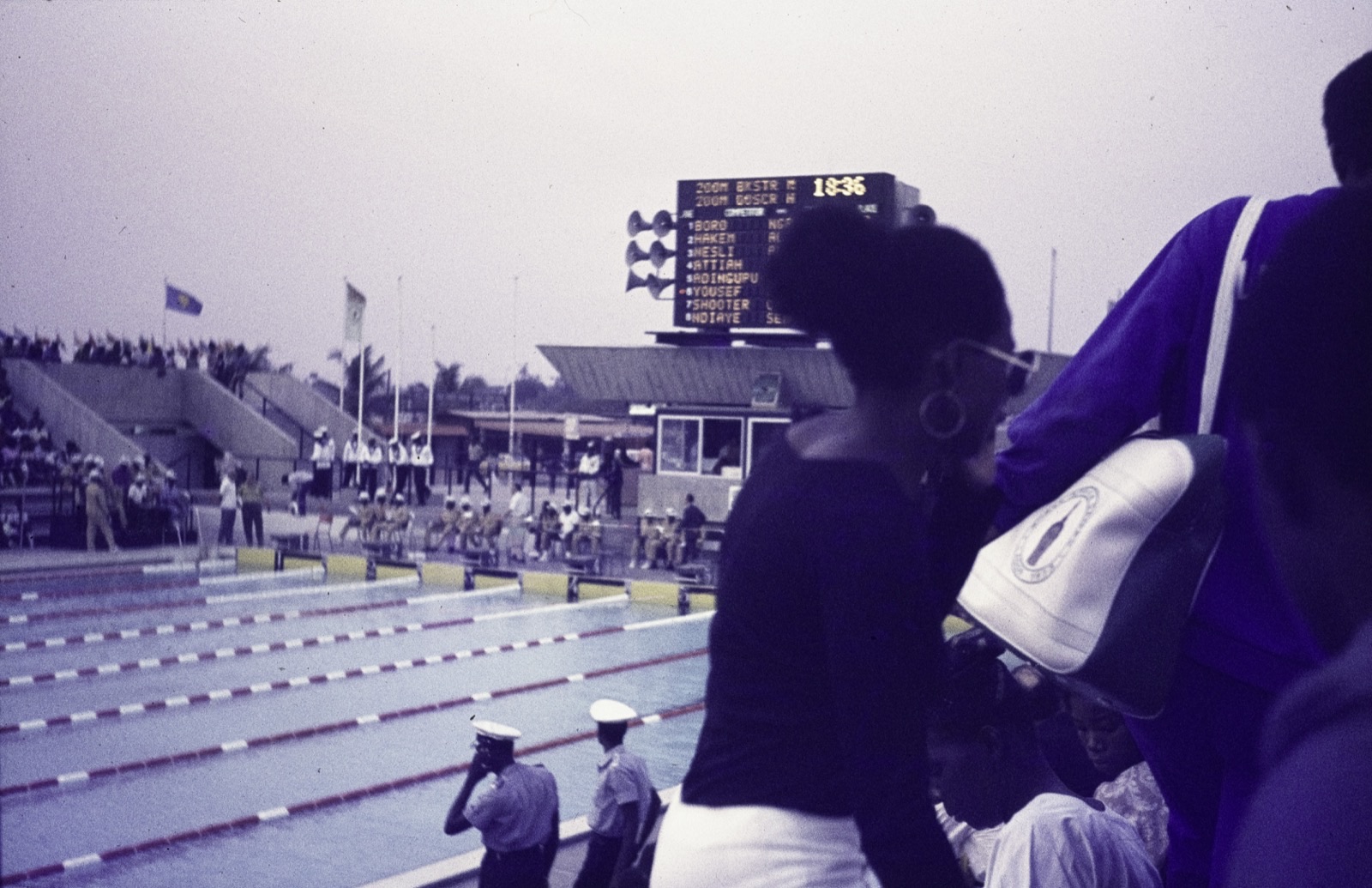
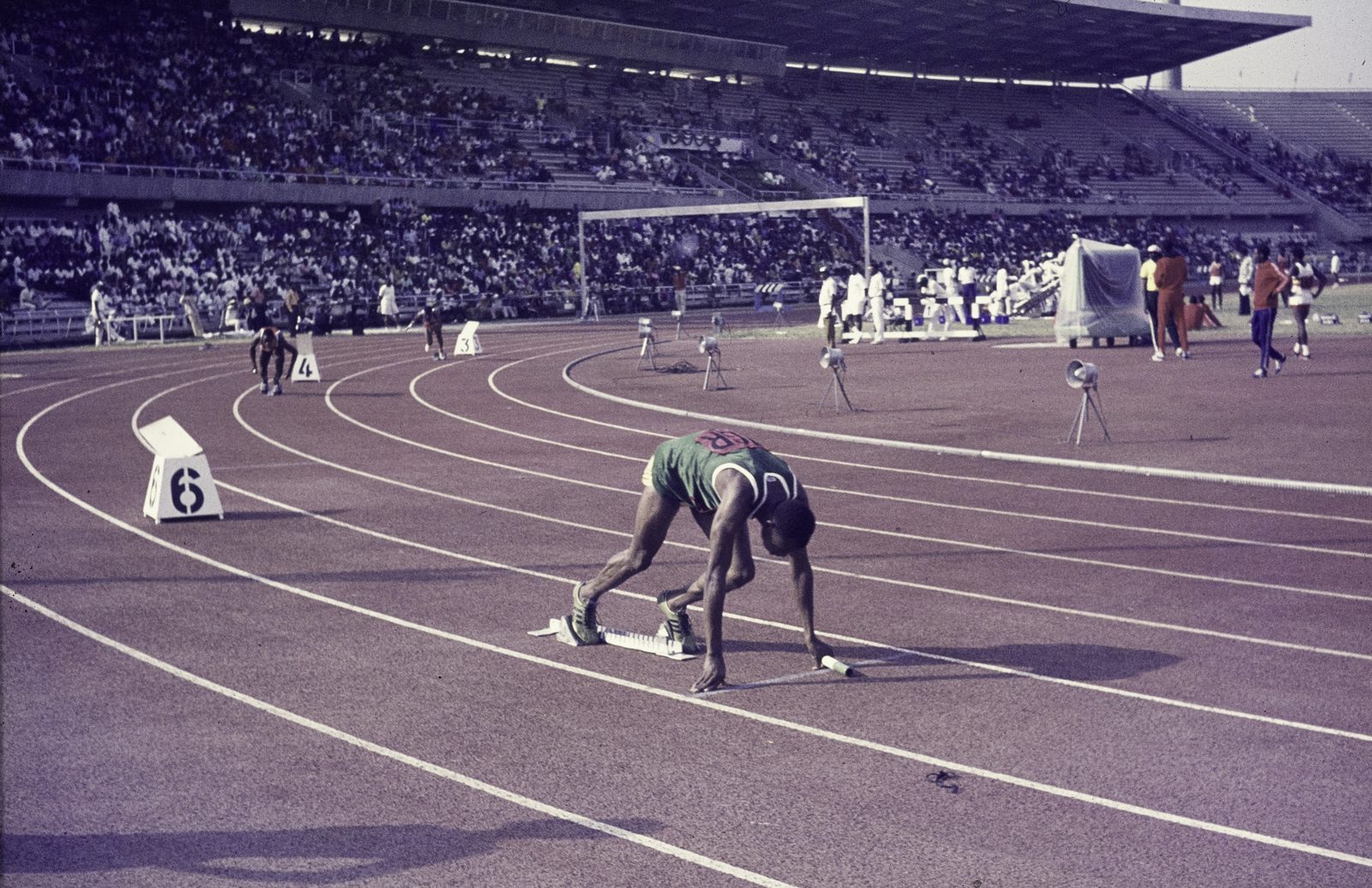
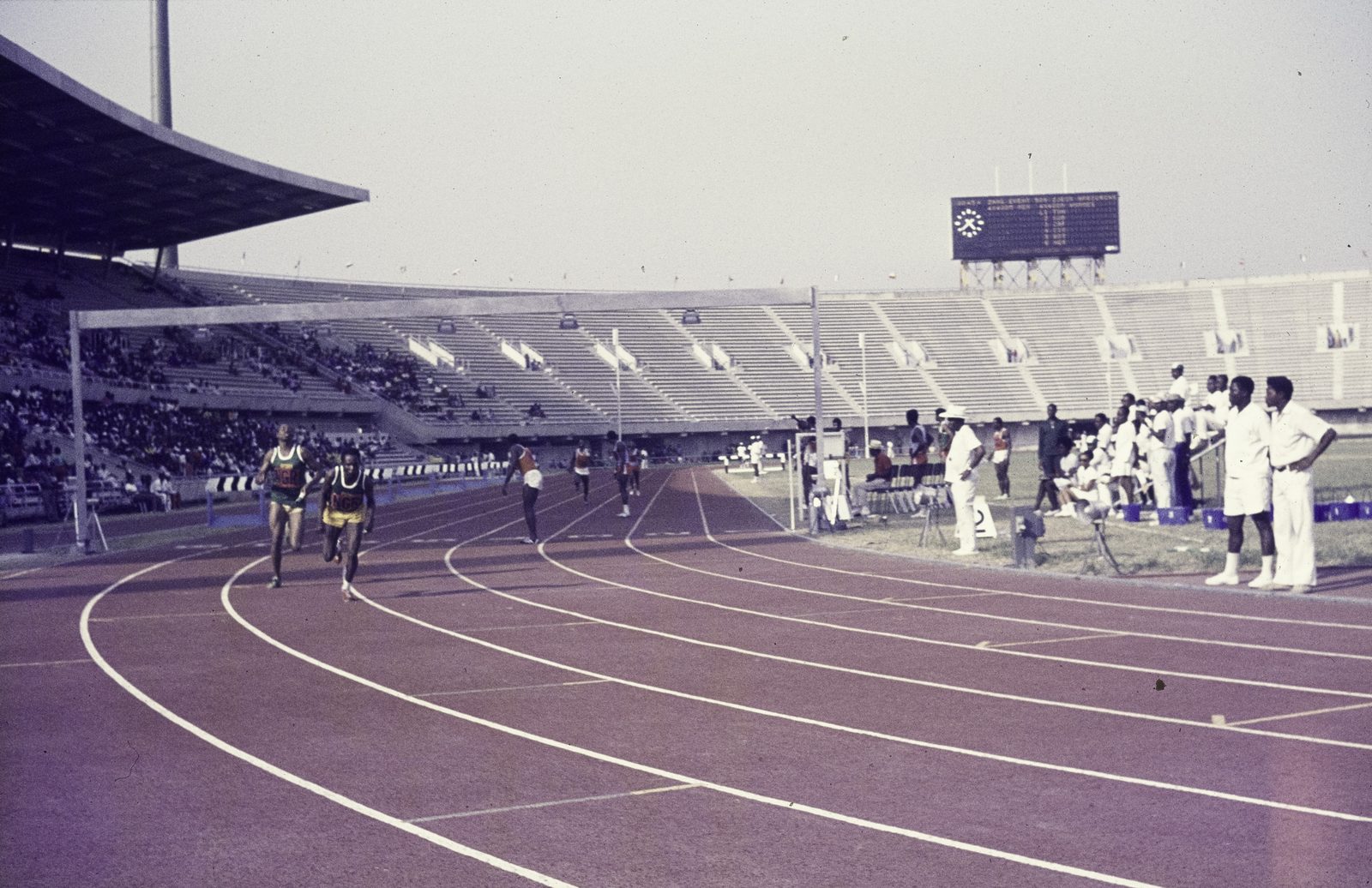
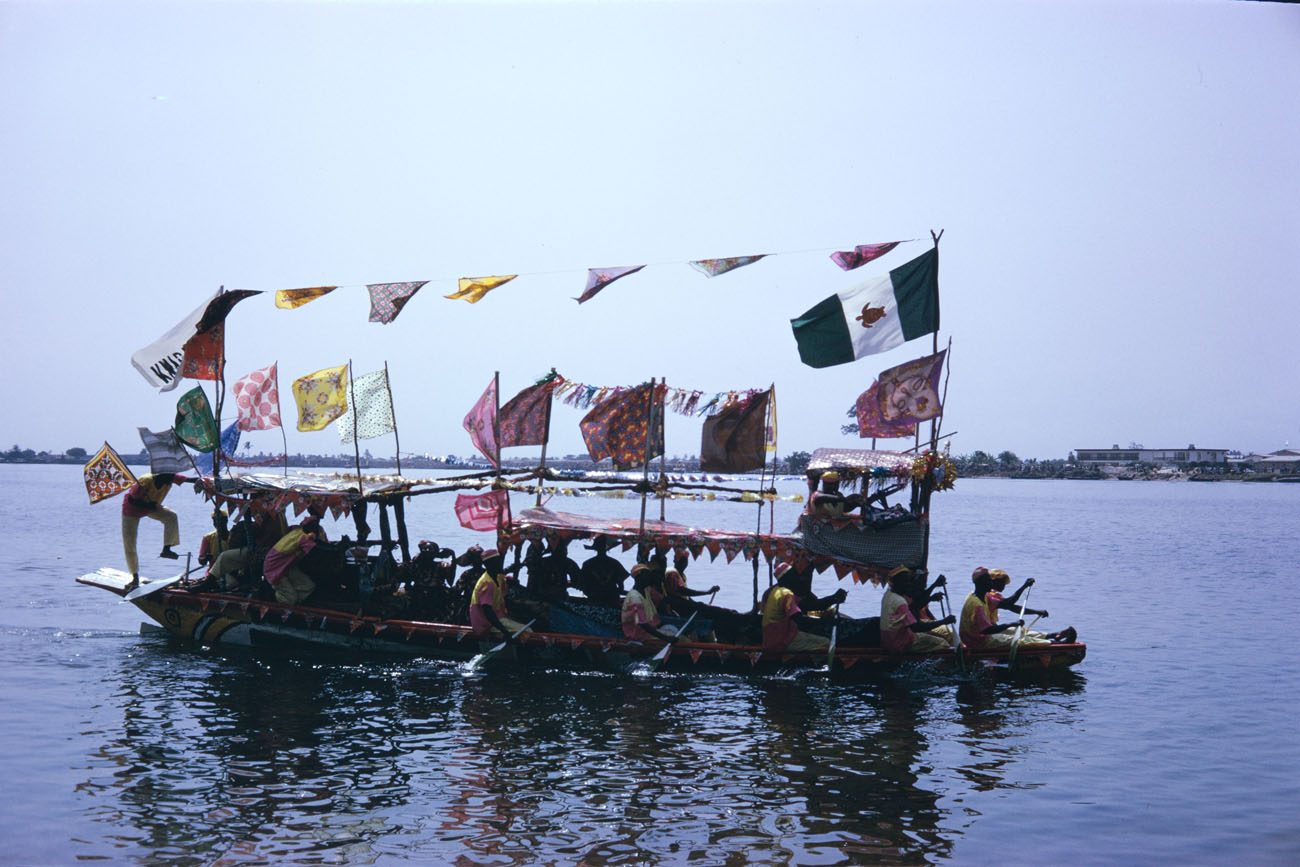
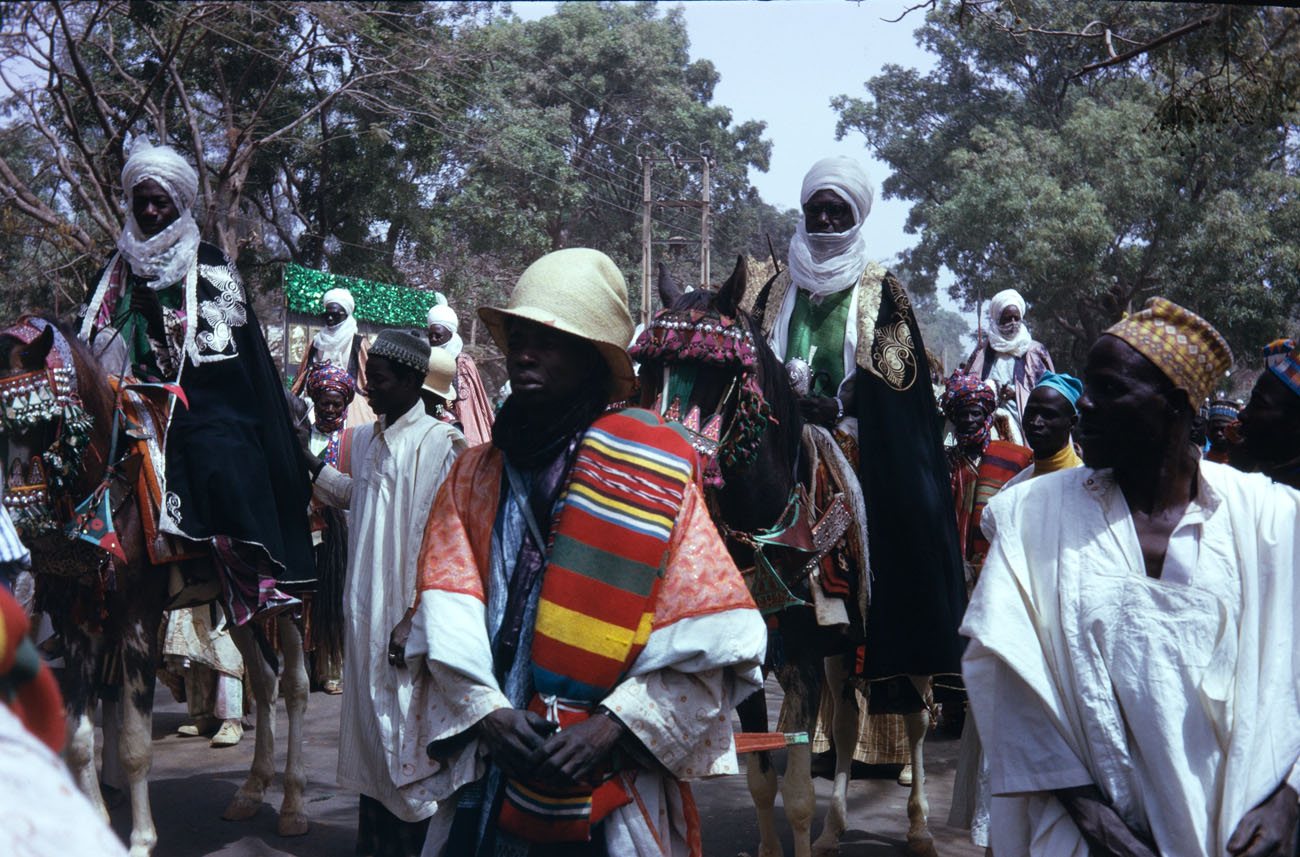
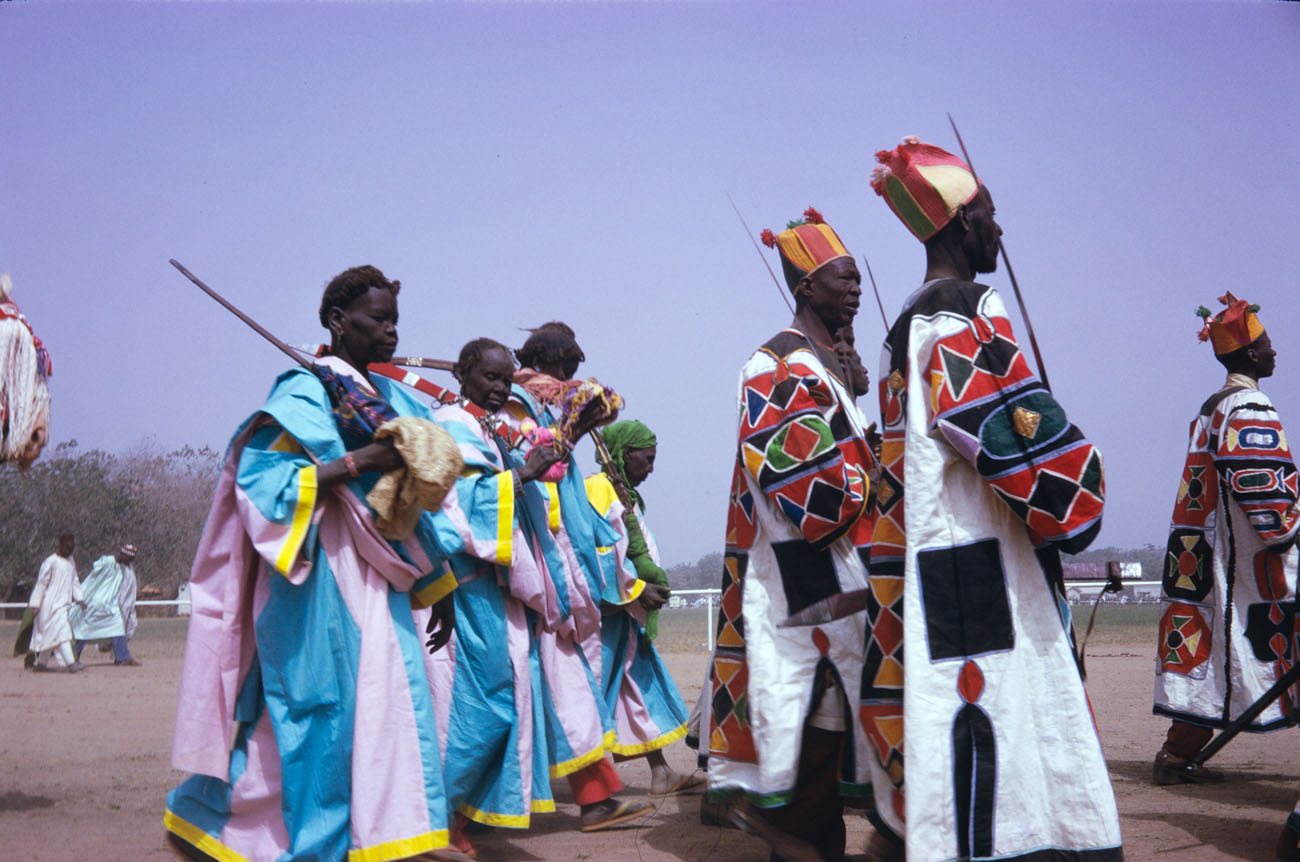
FESTAC wasn’t a track meet — but it borrowed athletic grandeur: stadium pageant, dance companies, Durbar horsemen, Regatta crews. Marilyn Nance called it Olympics + biennial + Woodstock. Lagos had already hosted the All-Africa Games in 1973.
On the Square TON is that pulse — motion as gathering. Compete, cheer, move.
Photos: Helinä Rautavaara Museum (FESTAC ’77 Durbar & Regatta, CC BY 2.0) · ASC Leiden / Rietveld Collection (Nigeria 1970–73 markets & All-Africa Games, CC BY-SA 4.0) · National Theatre, Iganmu (Pius-Imue Favour, CC BY-SA 4.0) · Queen Idia, Lagos museum (Hennemartin, CC BY-SA 2.0) · Miriam Makeba 1969 (Anefo / Nationaal Archief, CC BY-SA 3.0 NL) · Port Harcourt vintage cars (Wiki Loves Africa, CC BY-SA 4.0) · Stevie Wonder 1973 Motown portrait (public domain) · Entry gate & Show Body, Festac Square activation (ABDXTROUS)
Want the deeper cut?
You just walked the Square. Below is why the word still hits — FESTAC ’77, Lagos, and the charge this lot borrows.
FESTAC ’77 Regatta — Helinä Rautavaara · CC BY 2.0
Why FESTAC
You’re holding a phone in PG County. The word comes from Lagos.
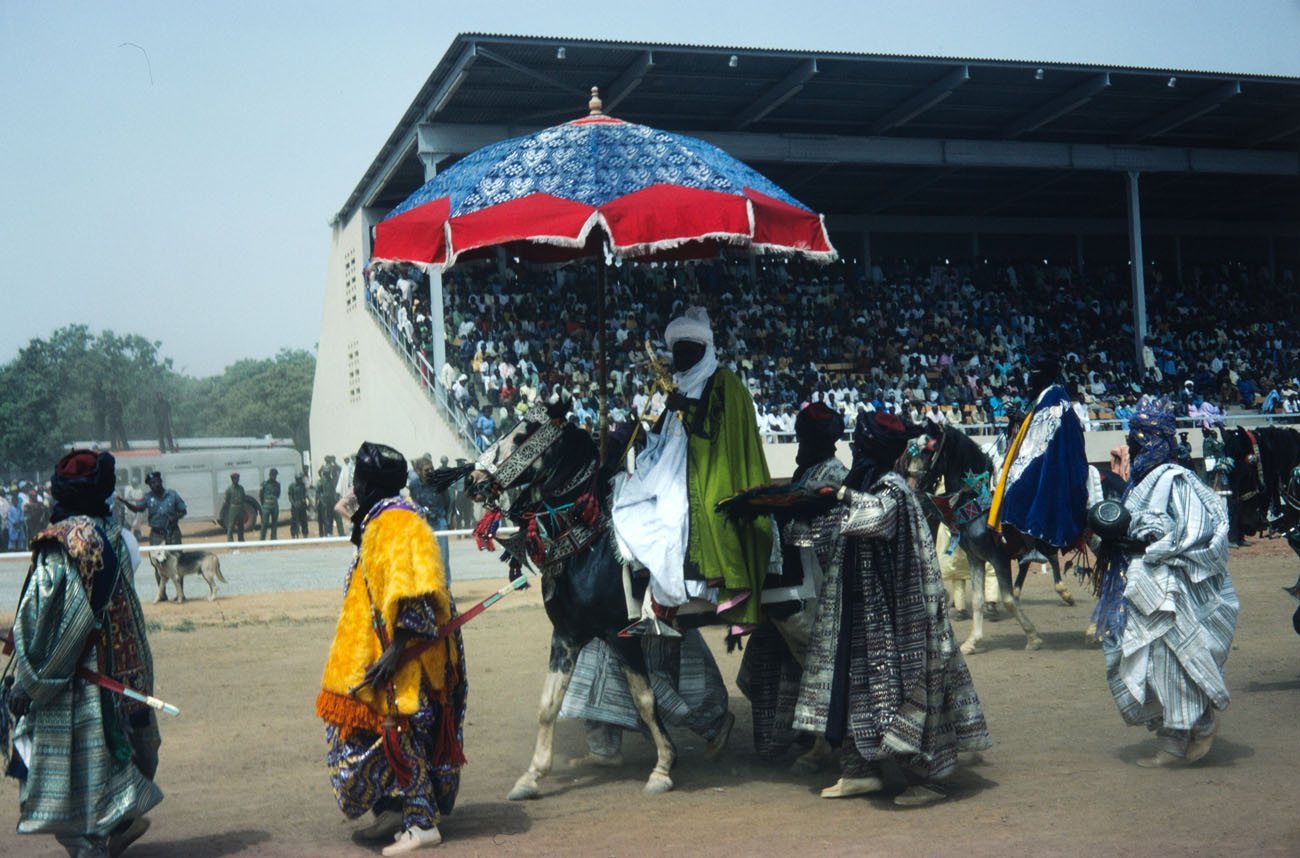
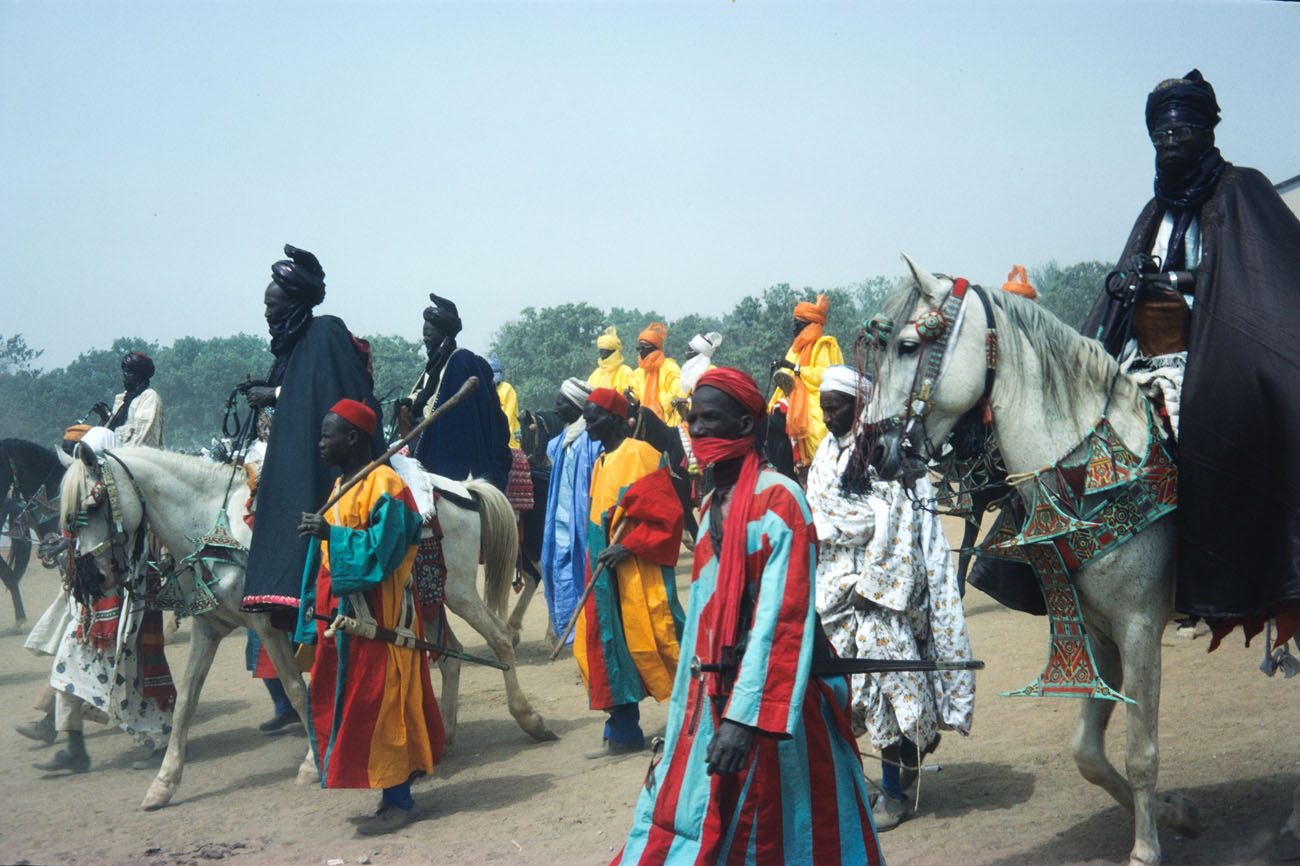
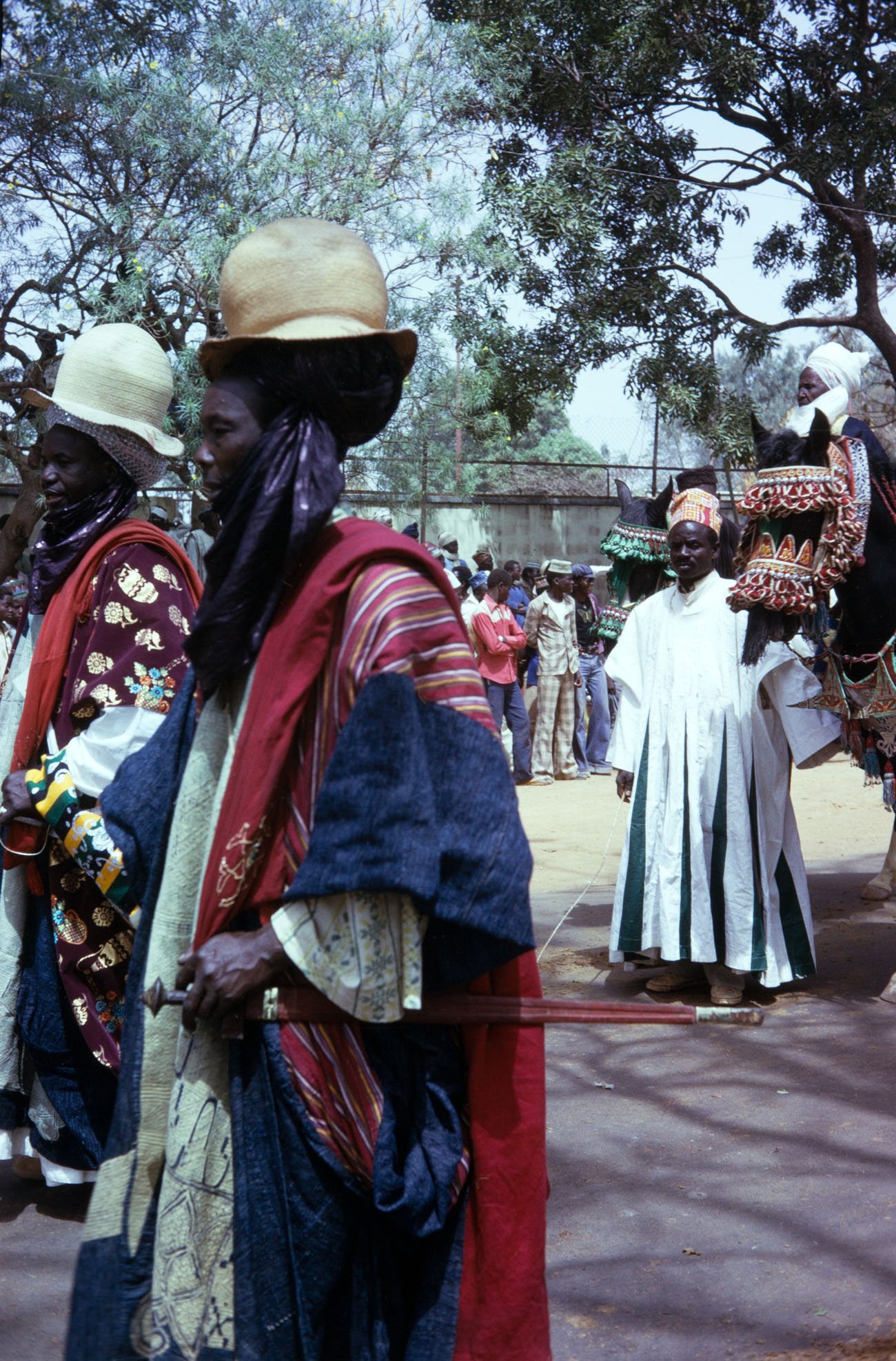
Grand Durbar — Helinä Rautavaara / Helinä Rautavaara Museum · CC BY 2.0
01
Lagos, January–February 1977
FESTAC ’77 — the Second World Black and African Festival of Arts and Culture — ran from 15 January to 12 February 1977. It followed the First World Festival of Black Arts in Dakar (1966). Nigeria had been invited to host the sequel as early as 1970; civil war, regime change, and construction delays pushed it to ’77.
The official name was deliberate: not only “Black,” but Black and African — continental nations and diaspora communities under one festival charter. Host Head of State Olusegun Obasanjo opened National Stadium, Surulere, as contingents marched past diplomats and dignitaries.
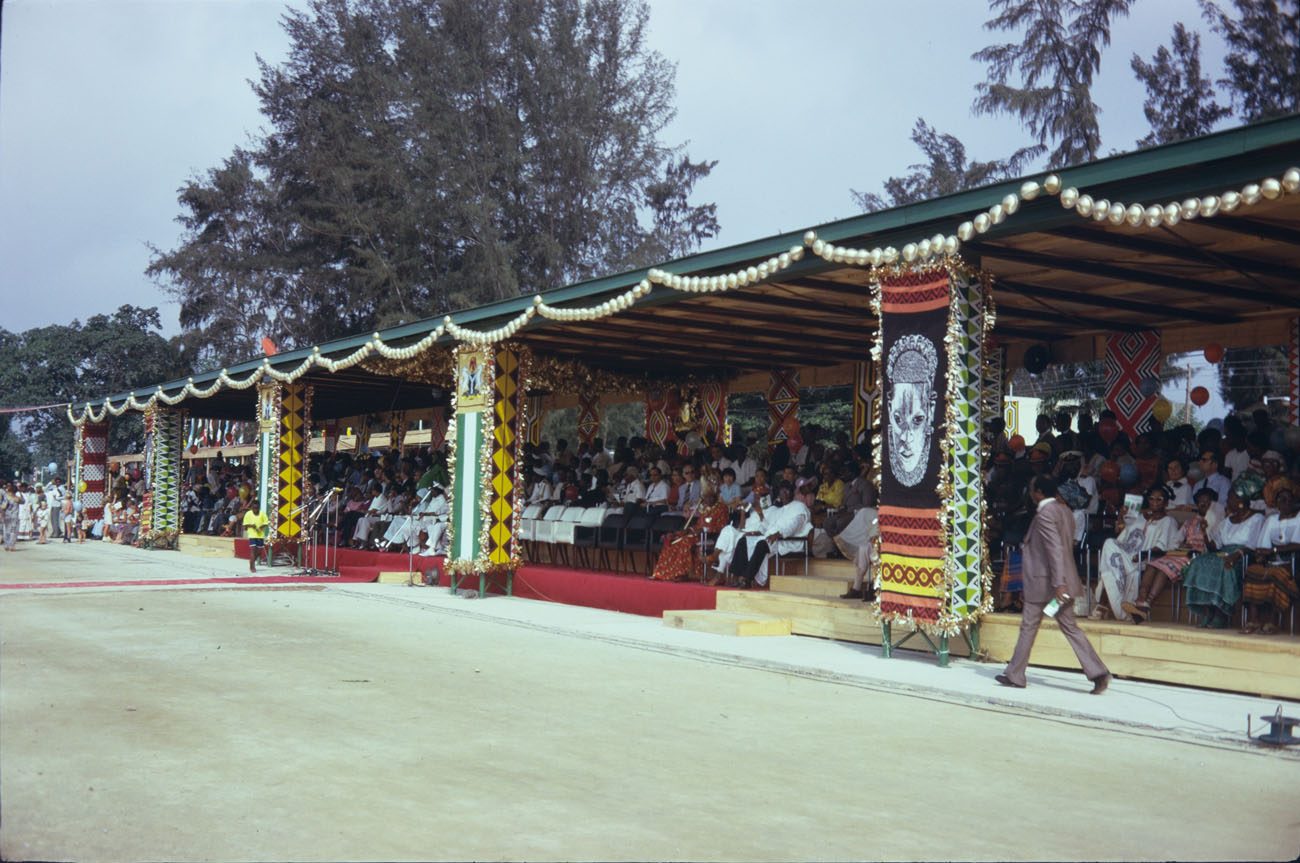
Queen Idia banners over the crowd — Helinä Rautavaara · CC BY 2.0
02
Africa and the diaspora, one stage
About 16,000 participants from 56 African nations and diaspora communities — music, dance, drama, film, literature, visual art, religion, scholarship. Roughly 500,000 people came to watch.
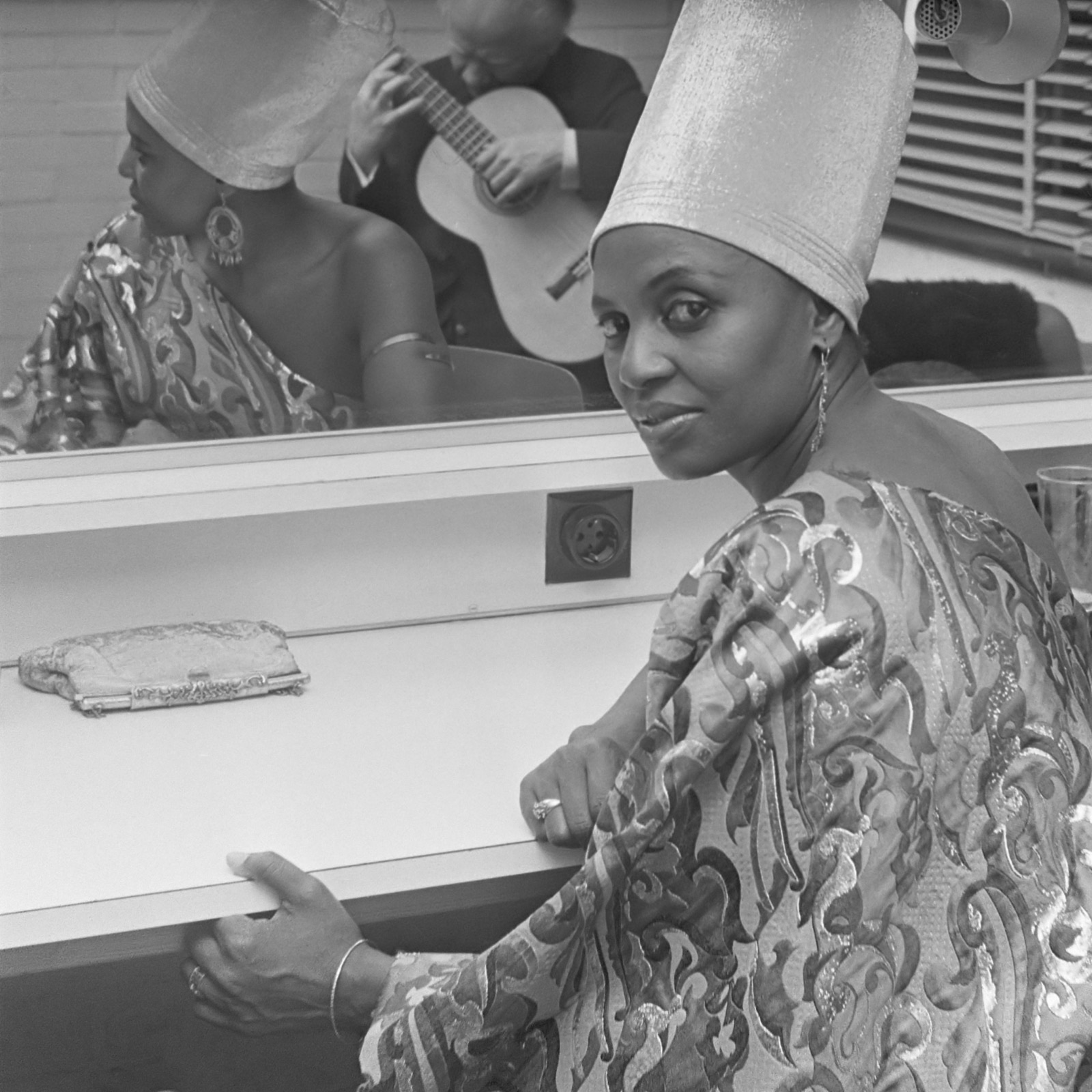
The lineup wasn’t a single genre night: Stevie Wonder and Sun Ra shared the month with Miriam Makeba, Mighty Sparrow, Gilberto Gil, Franco Luambo, Bembeya Jazz, Les Ballets Africains, and Nigeria’s own Fela / Sunny Adé orbit. Writers and artists from the U.S. zone included Audre Lorde, Faith Ringgold, Alice Walker, Barkley Hendricks. A daily colloquium — Black Civilization and Education — put ~700 scholars and artists in the National Theatre for two weeks.
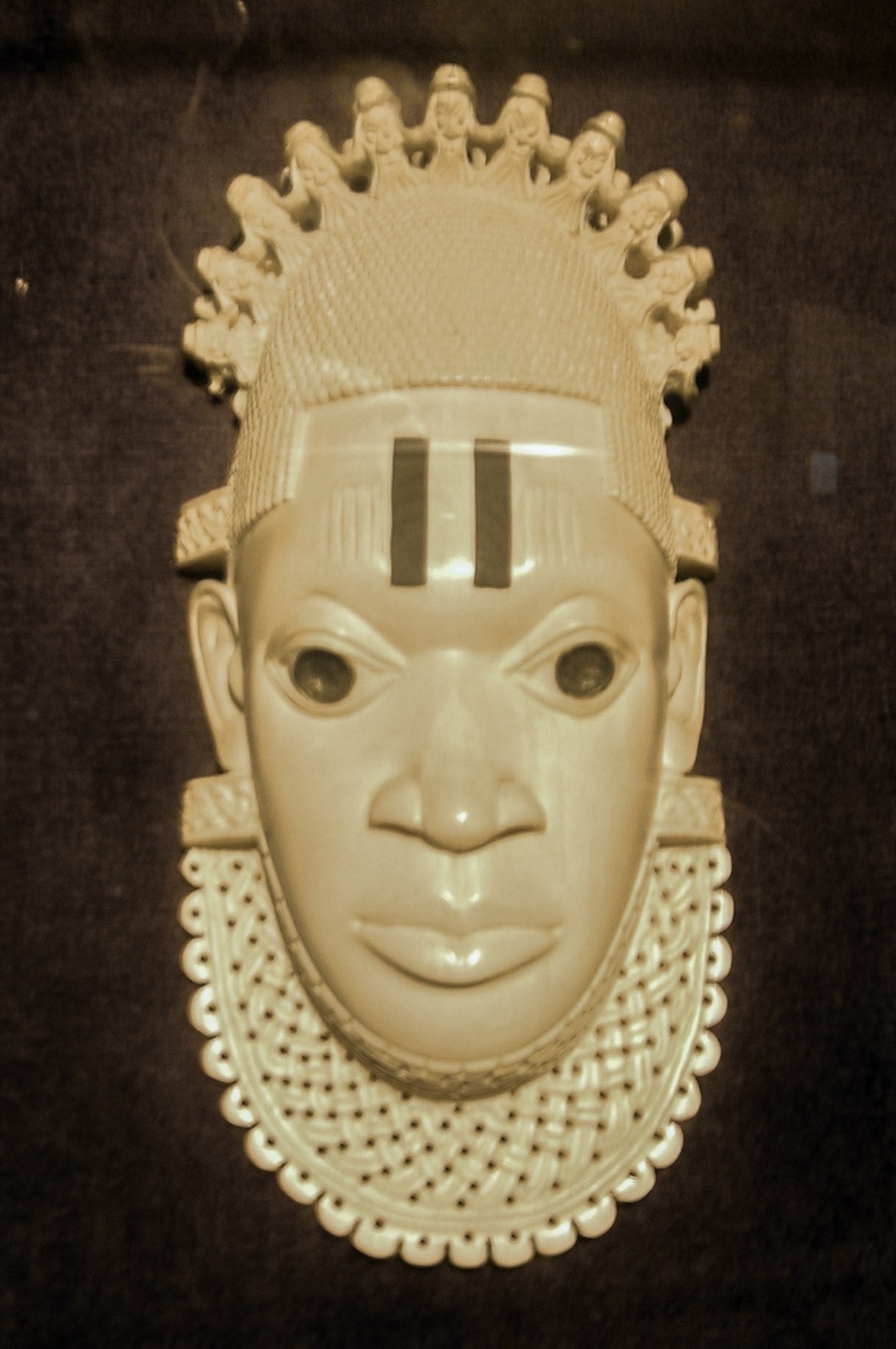
Queen Idia ivory, Lagos museum — Hennemartin · CC BY-SA 2.0
03
The name still works
Festac Town still sits west of Lagos. The National Theatre, the Queen Idia emblem, and the word “FESTAC” stuck as shorthand for arrival, reunion, and Black creative force. Marilyn Nance’s archive alone holds about 1,500 frames of the U.S. contingent — proof the month was meant to be remembered.
By the numbers
0days 15 Jan – 12 Feb ’77
0participants artists & delegates
0nations & diaspora zones
0spectators across the month
0main Lagos venues + Kaduna Durbar
0art exhibitions 200+ poetry/dance sessions
Contact sheet
Road. Procession. Market. Diaspora. Ground. Close — different frames, same gravity.
010203040506
A month on the ground
What actually filled the days
Morning into midnight. Lagos stages. Kaduna Durbar. Culture treated like a national project.
15 Jan
Opening, National Stadium
Contingents from dozens of countries processed past the Head of State — ceremonial dress, stilts, dancers with flaming urns. A thousand pigeons released; a Shango priest lit the festival bowl. Crossing into the month was ceremonial on purpose.
Weeks 1–2
Colloquium + daily program
Inside the National Theatre: lectures on Black civilization and education (~700 speakers and delegates). Across town: roughly 50 plays, 150 music and dance shows, 80 films, and exhibitions including 2000 Years of Nigerian Art and national booths at Tafawa Balewa Square.
Late Jan
Boat Regatta, Lagos lagoon
A three-day canoe pageant at Ikoyi’s Queen’s Drive foreshore — 200+ boats from Nigerian states, each packed with musicians, masquerades, acrobats, dancers. Culture as flotilla.
5–8 Feb
Grand Durbar, Kaduna
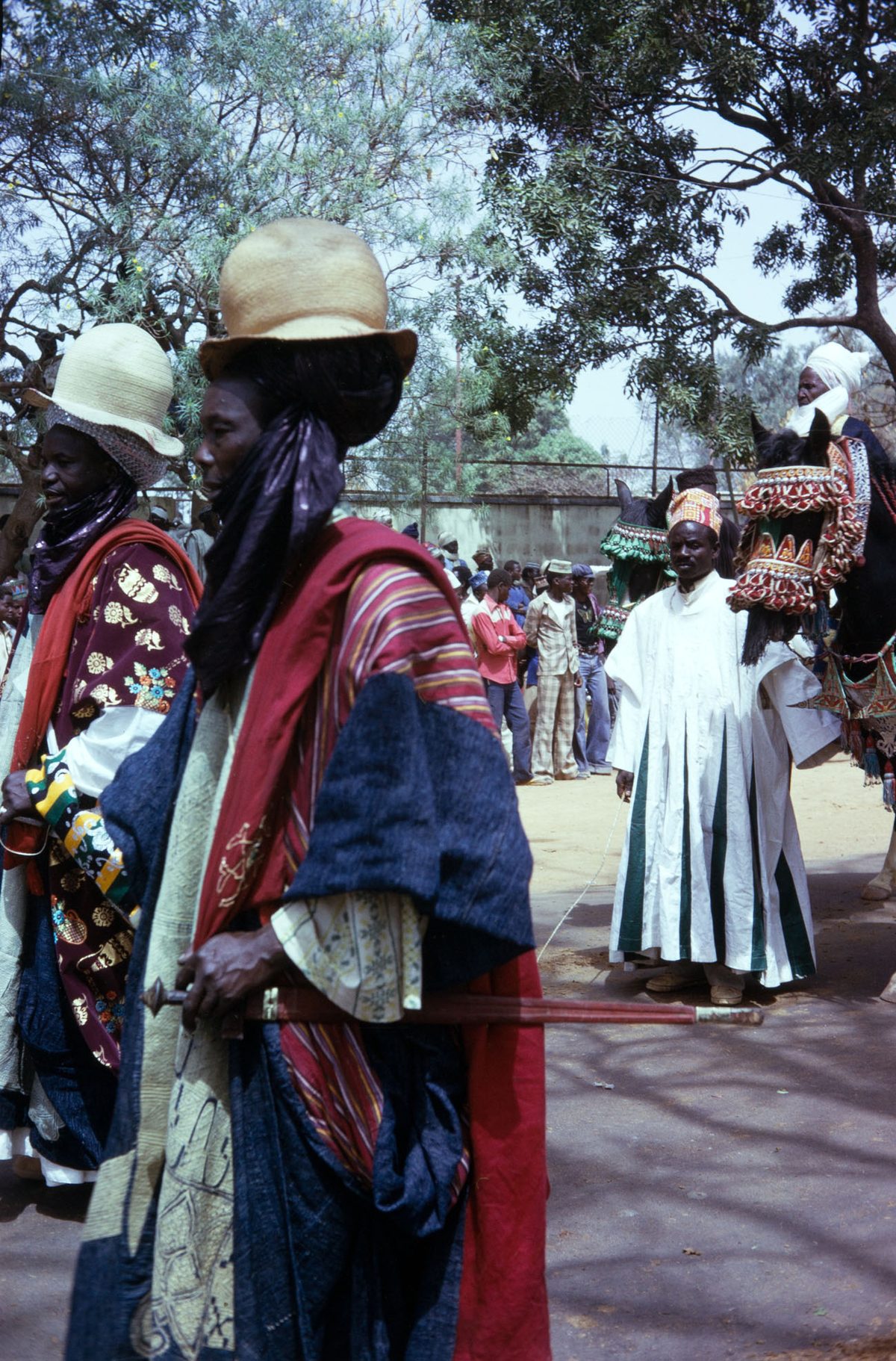
Over 700 km north of Lagos. Emirs, cavalry, camels, horns and drums — a unity pageant built from Hausa, Fulani, Bornu, and Songhay ceremonial forms. For four days the festival’s center of gravity shifted north — and satellite TV carried it out.
12 Feb
Close — and a lasting map
The festival ended. Festac Town, the National Theatre, and the word itself outlived the calendar.
What Nigeria built
Infrastructure was part of the argument
FESTAC wasn’t only a bill. Oil revenue became venues and housing — a physical claim on the city.
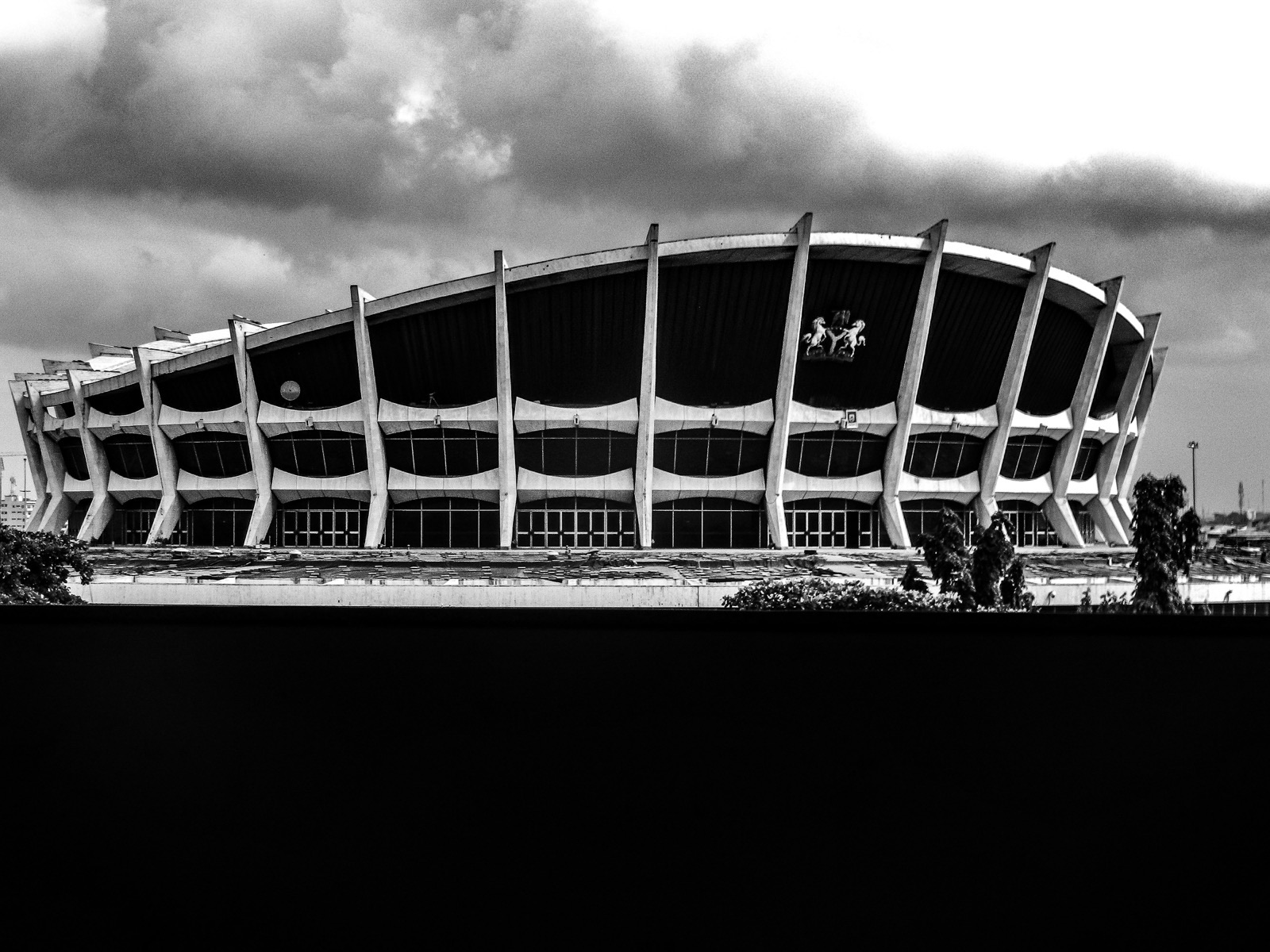
National Theatre, Iganmu — Pius-Imue Favour · CC BY-SA 4.0
Queen Idia emblem
Official symbol: a replica of the Benin ivory mask of Queen Idia, crafted for the festival by Erhabor Emokpae. Looted history made the emblem a claim as well as a logo.
Festac Village / Town
Housing for ~17,000 participants off the Badagry Expressway — over 5,000 units ready before opening. After ’77: a permanent Lagos district still called Festac.
National Theatre, Iganmu
Dance, music, cinema, exhibitions, colloquium — built to outlast the month as a lasting center of African art and culture.
Four Lagos stages + Kaduna
National Theatre, National Stadium, Lagos City Hall, Tafawa Balewa Square — plus the Durbar up north. Thousands of buses just to move people between them.